
Timing Is Everything
Knowing when to harvest is crucial. Most commercial Kenyan avocados, such as Hass and Fuerte, don’t change color when they’re ripe, so you can’t rely on appearance alone.
Best practice: Test a few fruits from the tree by letting them ripen at room temperature. If they ripen well without shriveling, you can start the main harvest.🥑
-
Too early: Fruit will have poor flavor and may be rejected by buyers.
-
Too late: Shortens shelf life and increases risk of spoilage.
Proper Picking Prevents Damage
How you detach the fruit is key to preventing disease and injury:
-
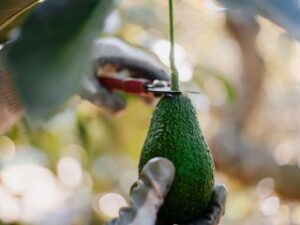
Leave a short stem (“button”) on the fruit to prevent rot.
-
Avoid tearing fruit off or knocking it down with a stick.
-
Use clean cuts or pole-mounted cutters with cushioned bags to protect fruit from bruising.
The Right Tools Pay Off
While simple methods like shaking trees are still used, they often cause damage and losses. Affordable tools such as pole-pickers and harvest bags allow clean cuts and gentle handling. These tools help farmers meet strict quality standards, increase harvest efficiency, and maintain export-ready quality.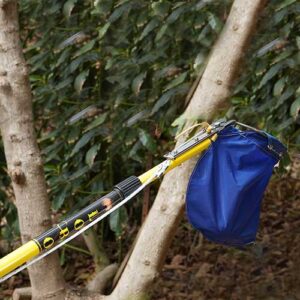
Handling After Harvest
What happens immediately after harvest is just as important as how the fruit is picked. Always handle the fruit gently and keep it shaded. Pre-cooling, which is the practice of quickly lowering the fruit’s temperature, is vital for slowing down spoilage and disease development. Exporters use refrigerated transport to maintain quality, while fruit for local markets often suffers due to a lack of proper cooling. Investing in better on-farm handling and cooling can significantly reduce losses and improve a farmer’s income.Hygiene and Quality Go Hand-in-Hand
Proper hygiene in the orchard is essential. Damaged skin from rough handling invites fungal diseases like anthracnose. Simple measures such as using clean tools, avoiding harvesting in wet conditions, and removing diseased fruit from under trees can help prevent such problems. These practices are also crucial for meeting phytosanitary standards, which can prevent an entire shipment from being rejected.Best Practices for Quality Assurance
1. Select at the Right Ripeness
Harvest when the fruit reaches the minimum dry matter range (21%–23%) for optimal flavor, shelf life, and export quality.
2. Leave a Short Stem Stub
A 3 mm “button” reduces stem-end rot during storage.
3. Handle With Care
Avoid dropping avocados. Bruising reduces quality and shelf life.
4. Cooling and Storage
-
Hass: 4–5 °C for up to 4 weeks.
-
Other varieties: 6–8 °C for up to 2 weeks.
-
Forced-air cooling prevents condensation and preserves quality.
5. Fungus & Disease Control
Clean picking, orchard sanitation, pre-harvest fungicide application, and post-harvest cold storage help manage fungal threats.
Why Quality Harvesting Matters
Post-harvest losses are a major issue in Kenya’s avocado industry, but they are avoidable. Most losses come from poor harvesting techniques, mechanical damage, and lack of proper storage.
By investing in:
-
Proper tools
-
Training for pickers
-
Cooling services
Farmers can reduce waste, improve fruit quality, and increase revenue.
Quality harvesting isn’t just a habit, it’s an economic strategy.